
Metal Roof vs. Asphalt Shingles for Portland Homes: Cost, Lifespan, and Rain Performance
Choosing between a metal roof and asphalt shingles comes down to more than a sticker price. For Portland homeowners, the decision also hinges on how each system handles a long, wet season, how long it is expected to last, and which roof-specific details drive the final estimate. Rose & Timber Roofing specializes in architectural asphalt shingle roof replacement, and this comparison lays out where metal can be the better fit too, so you can weigh both paths honestly.
The short answer: asphalt shingles typically suit homeowners who prioritize a lower replacement cost today, while metal roofing can make sense when a longer service life and smoother rain shedding justify a higher upfront investment. The right choice depends on your roof's complexity, its drainage and flashing details, ventilation, tree cover, and how long you plan to own the home.
Why Portland's Rain Changes the Conversation
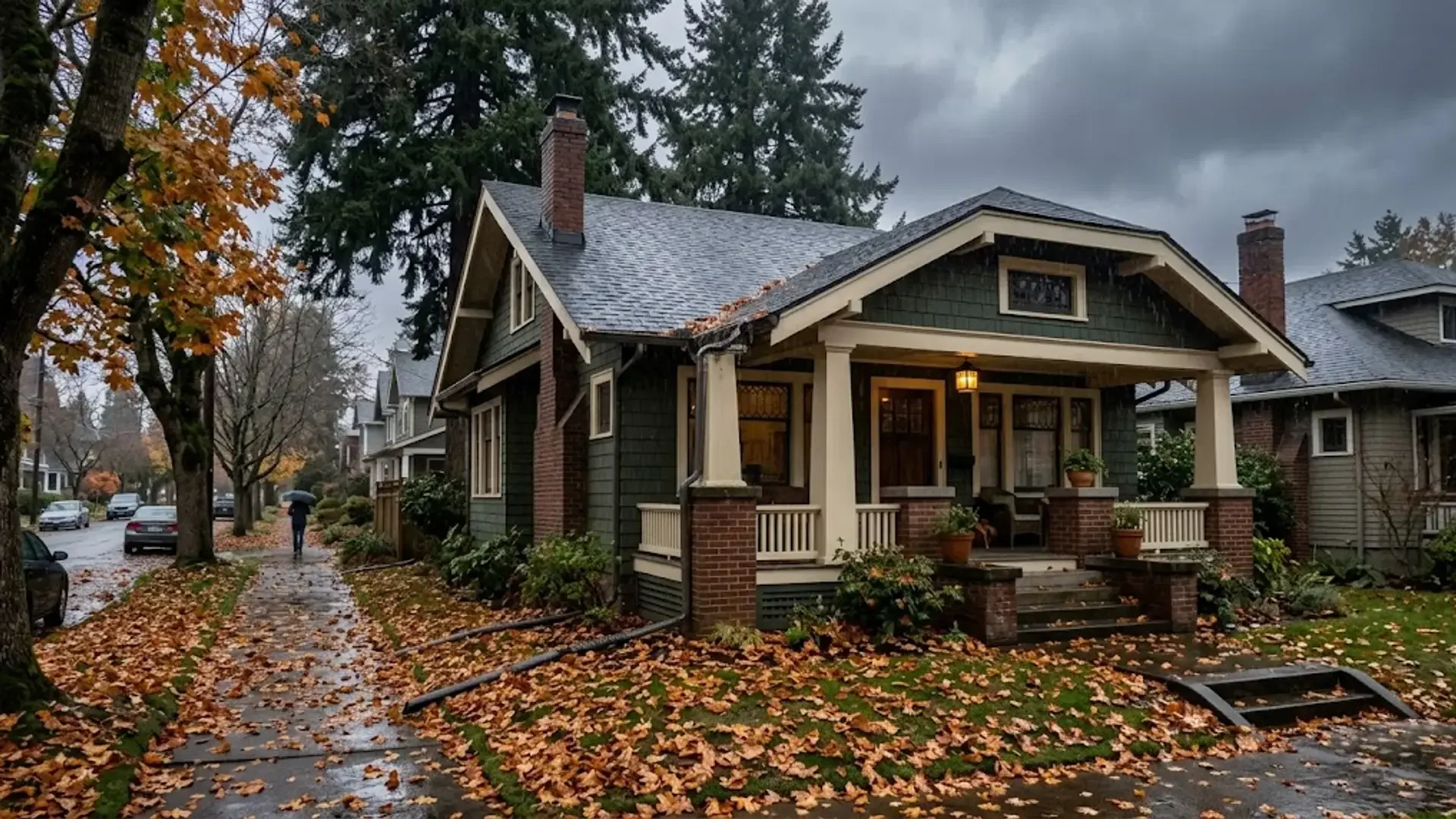
Portland isn't just rainy. It's persistently rainy. Portland International Airport's 1991 to 2020 climate normals show about 36.9 inches of precipitation a year, spread across roughly 157 days with measurable rainfall. The wettest stretch falls in late fall and winter, with November and December each averaging 18 to 19 days of measurable precipitation.
That frequency matters more than the material itself. A roof's ability to shed water well depends on the entire assembly working together, not just whether the surface is metal or asphalt. Flashing, drainage paths, underlayment, and ventilation all determine how a roof actually performs once winter sets in, and flashing is often where a long wet season exposes a weak point first, as chimney flashing failure shows.
Metal Roofing: What Goes Into the System
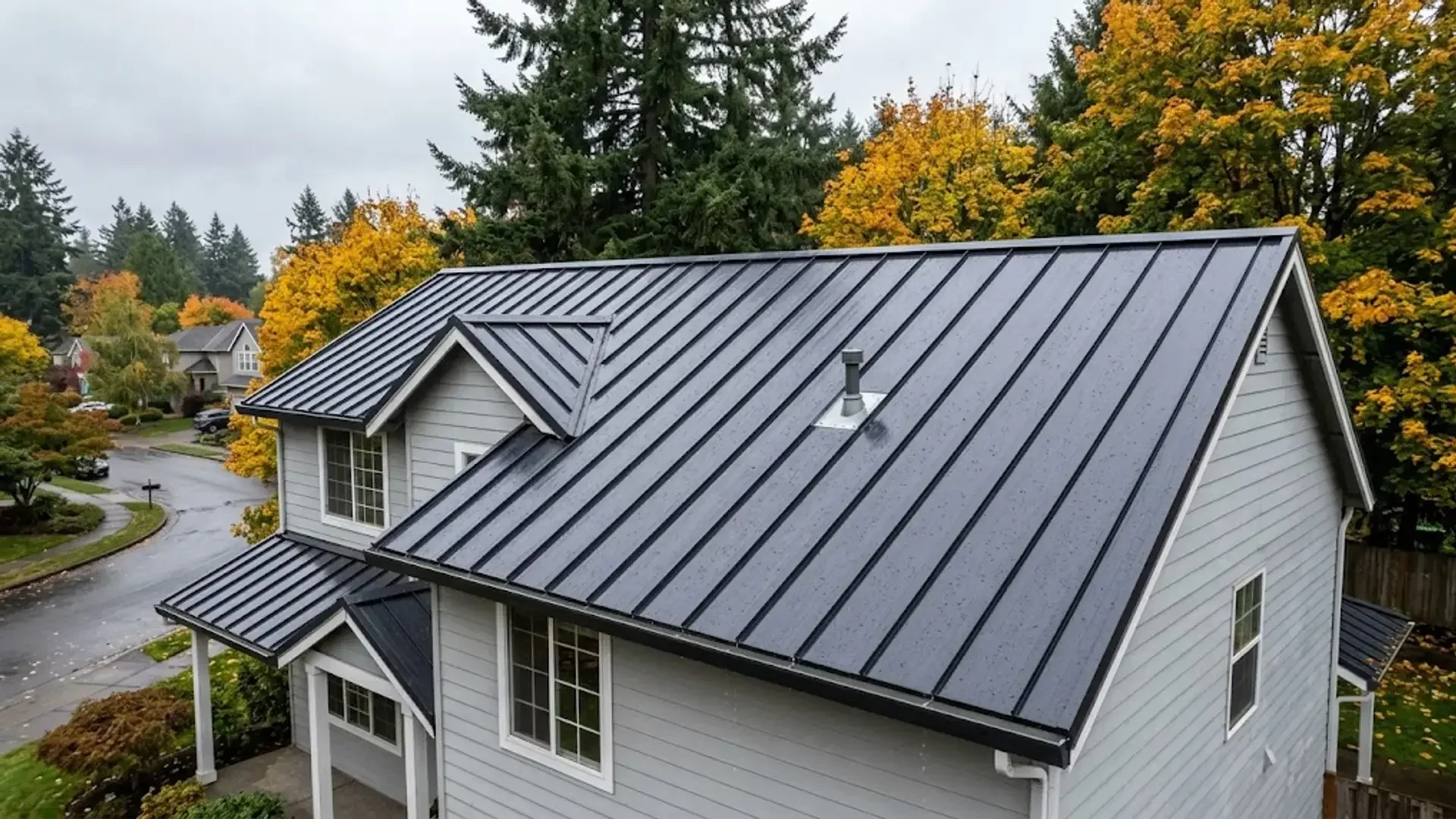
A well-planned metal roof installation evaluates the full assembly, not just the panel choice. Planning criteria include:
Roof geometry and structural capacity
Decking condition and ventilation
Penetrations, flashing, and drainage paths
Panel profile, gauge, and finish
Underlayment and fastener pattern
Trim details and snow or ice considerations
Because every one of these variables affects the final scope, metal roof pricing can shift based on material selection, roof complexity, tear-off needs, decking repairs, insulation, flashing work, permits, labor, and any change orders that come up once the old roof is opened.
On the lifespan side, unpainted standing-seam steel systems with a 55% aluminum-zinc alloy coating can be expected to exceed 60 years of service life under a range of environmental conditions. That figure applies to a specific, well-documented metal system, not a blanket promise for every metal roof on the market, which is why the exact specification matters as much as the material category.
Asphalt Shingles: What Goes Into the System
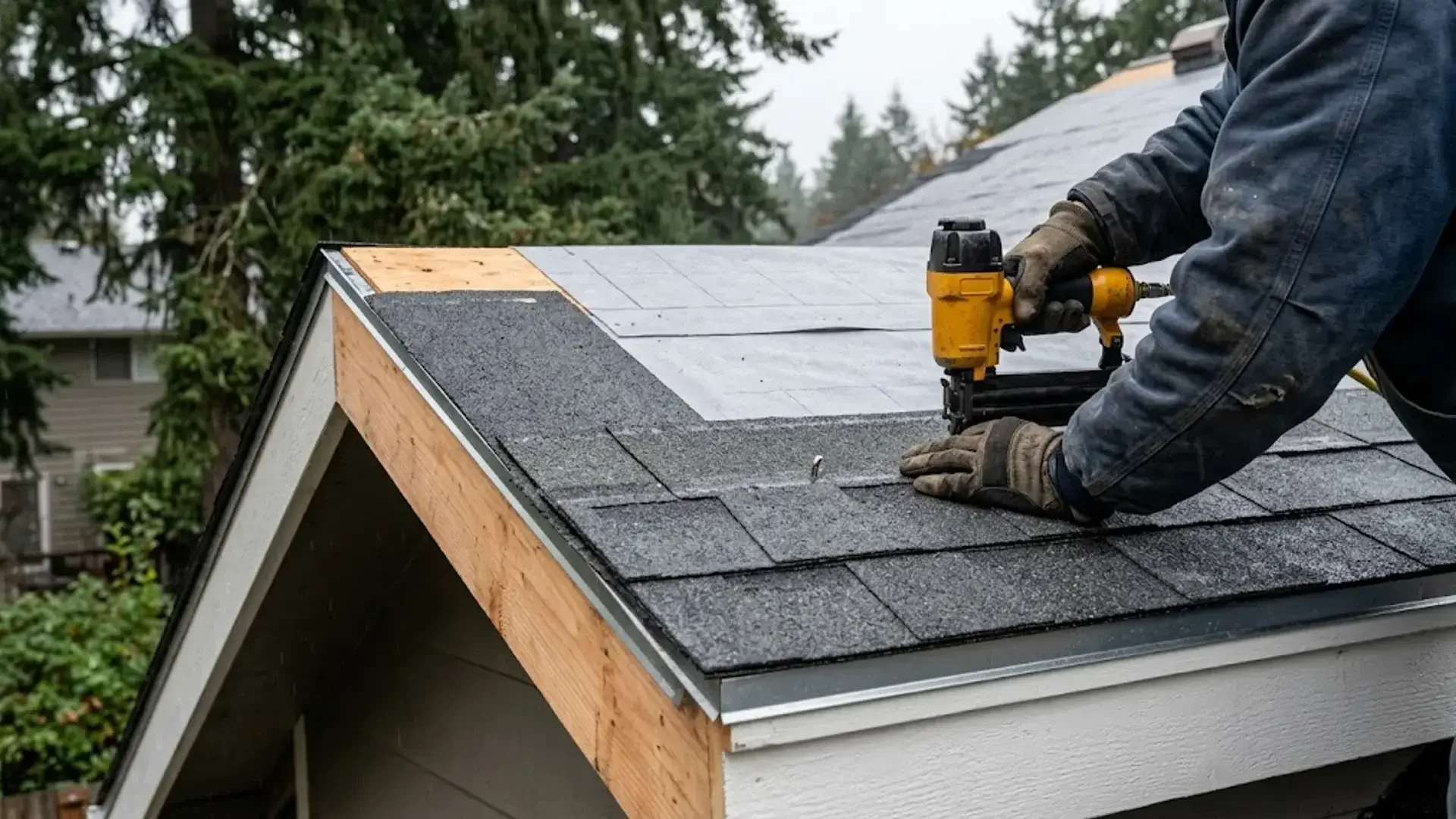
Asphalt shingle installations are evaluated with their own set of water-management details. Planning criteria include:
Decking condition and drip edge
Flashing at eaves and valleys
Ventilation balance
Underlayment and ice and water membrane placement
Starter strip and ridge cap
Nailing pattern and manufacturer installation method
These components, not the shingle alone, are what make asphalt a viable choice in a climate that sees rain nearly half the days of the year. Pricing for an asphalt shingle replacement can vary based on roof squares, existing layers, pitch, deck repair needs, flashing, ventilation work, material grade, labor, disposal, permits, weather conditions during the project, and warranty selection.
Comparing the Two Paths
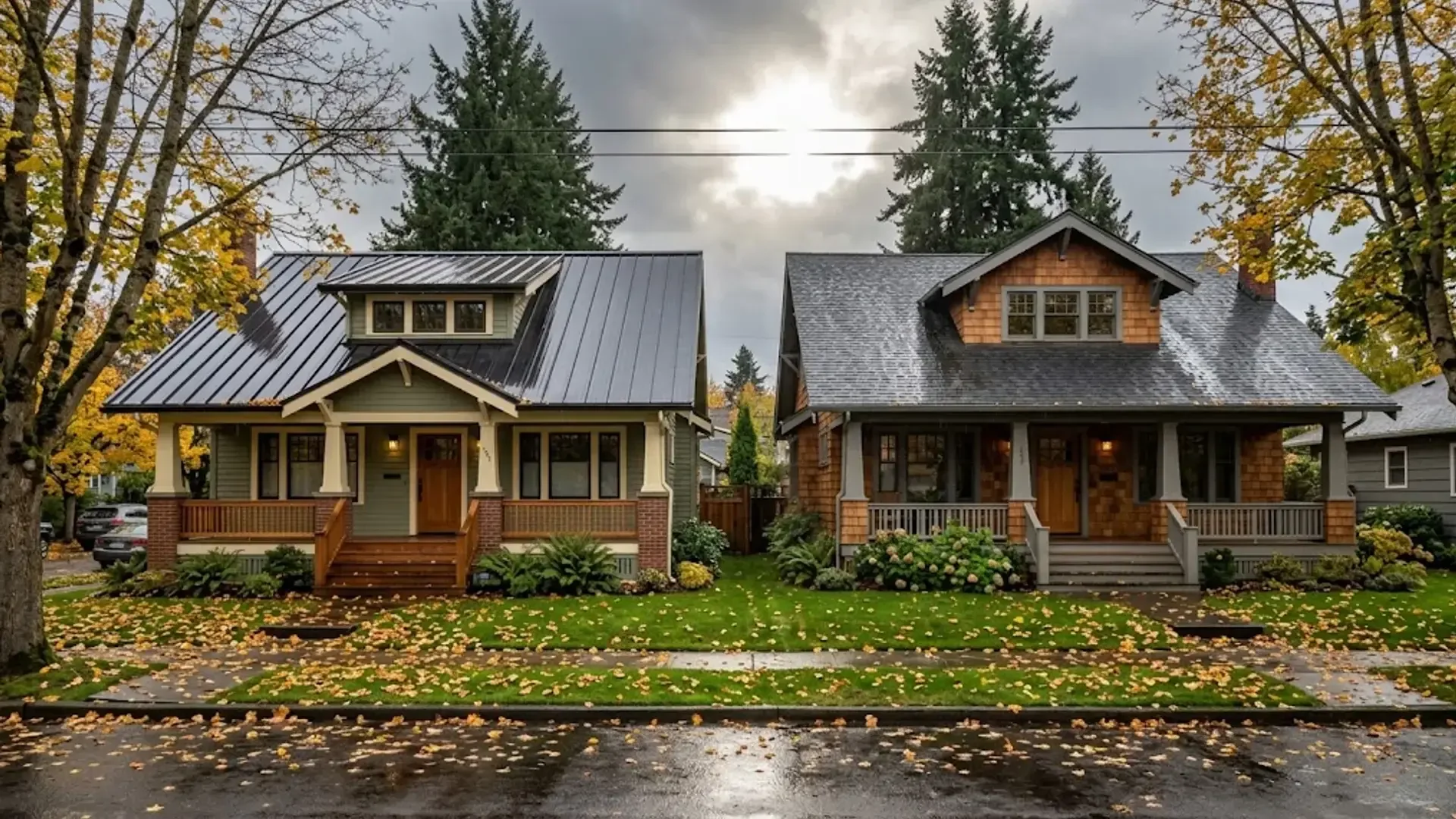
FactorMetal RoofingAsphalt ShinglesUpfront costGenerally higherGenerally lowerService life potentialCan exceed 60 years for specified standing-seam steel systemsVaries by material grade and installation qualityRain performanceDepends on flashing, drainage, and panel detailingDepends on flashing, ventilation, and underlayment detailingEstimate variablesPanel profile, gauge, finish, roof complexity, tear-offRoof squares, existing layers, material grade, deck condition
A Decision Framework, Not Just a Price Tag
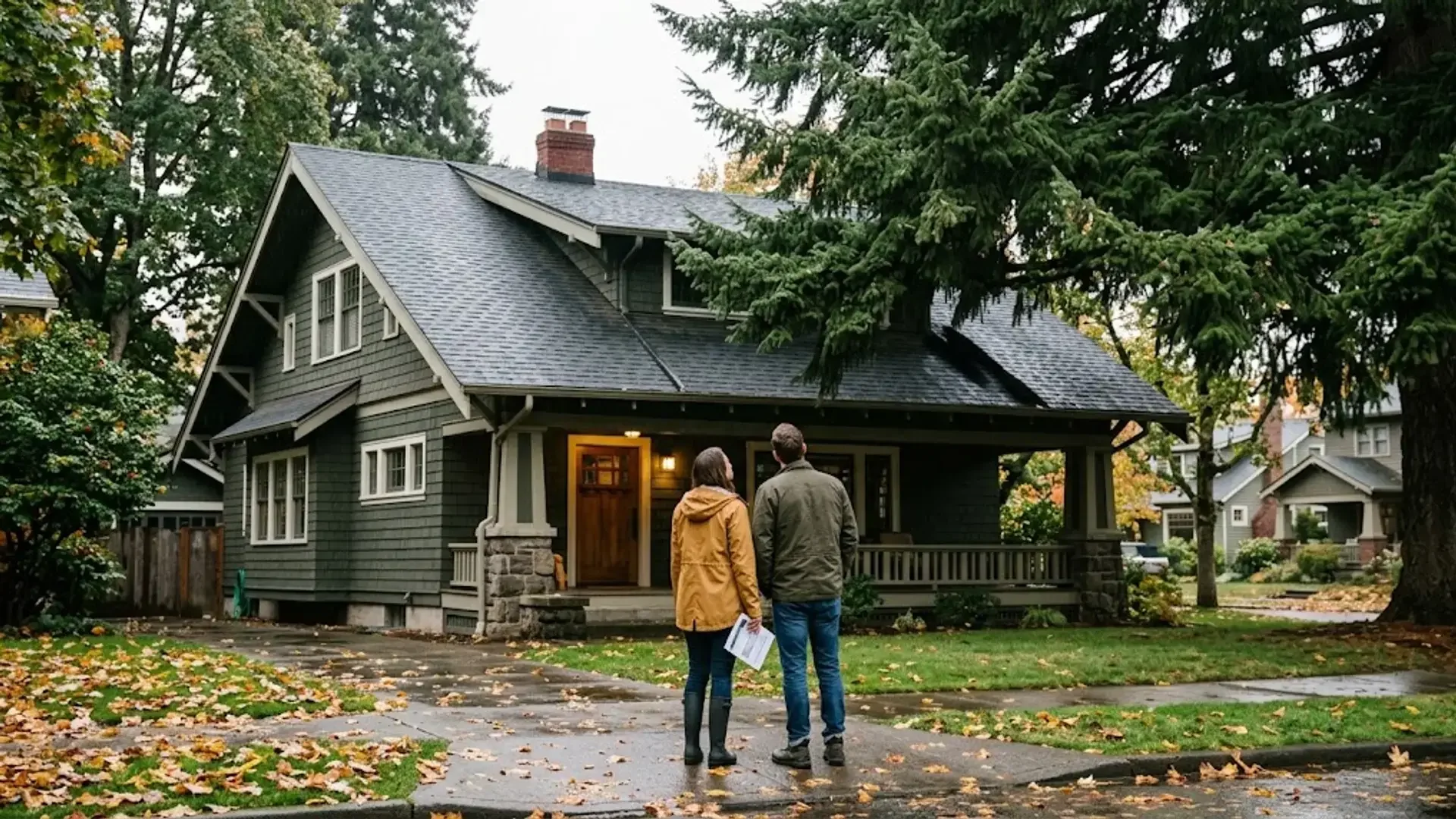
The more useful comparison weighs the first replacement cost against how long you plan to own the home and how many future replacement cycles that holding period might require, always conditional on the exact system specified and the quality of installation. A homeowner planning to stay for decades may find a longer-life metal system changes the long-term math, while a shorter ownership horizon can make the lower upfront asphalt cost the more practical fit.
Roof complexity, tree cover, and moisture exposure also factor in. A simple roof with good sun exposure places less demand on any system, while a complex roof with heavy tree cover and more valleys, penetrations, and shaded areas benefits from careful attention to flashing and drainage regardless of which material is chosen.
A Note on Warranties
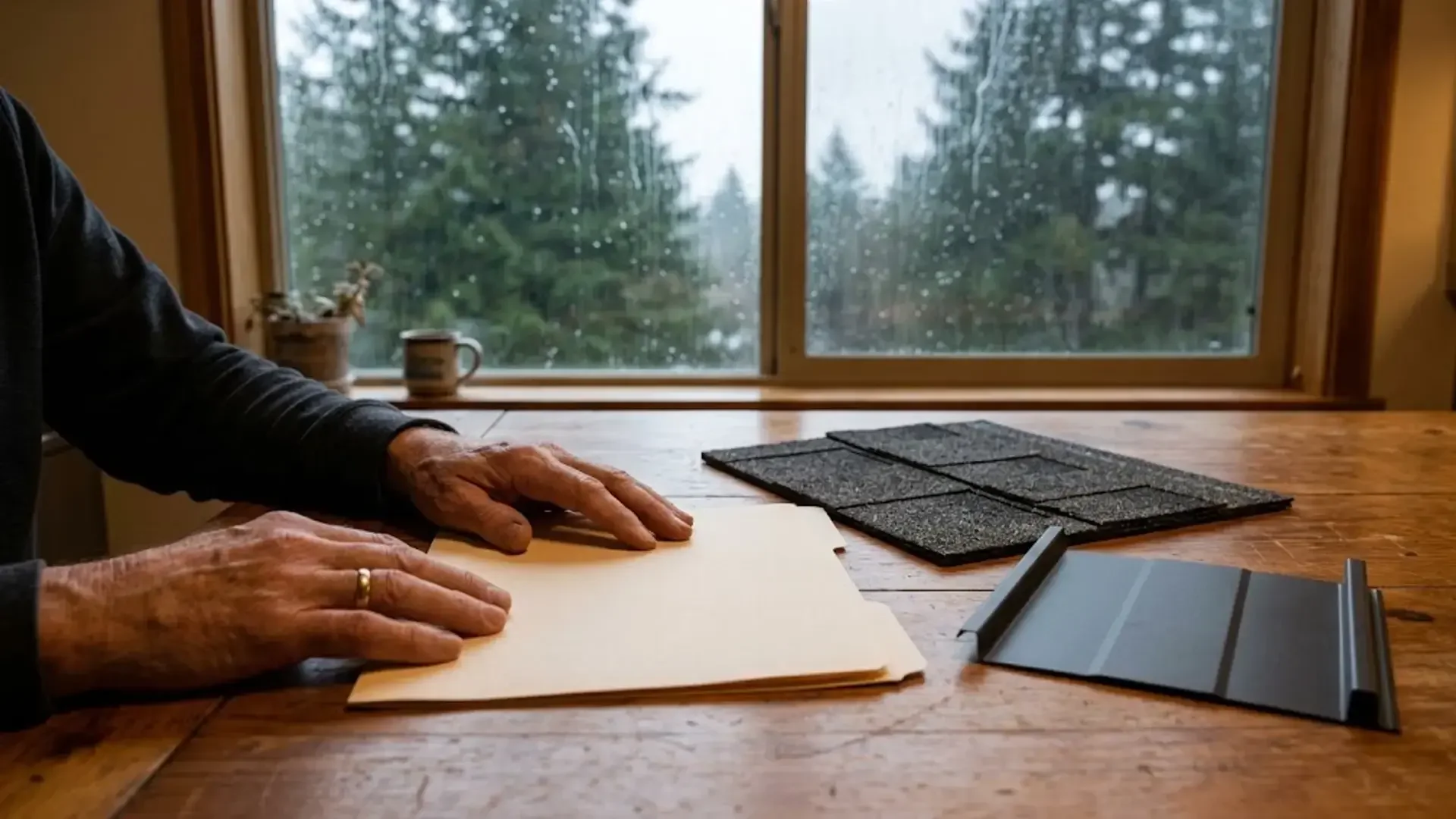
It's worth separating a warranty term from an expected roof lifespan. Warranty scope, proration, labor coverage, exclusions, ventilation requirements, and installation requirements can all affect what is actually covered. A long warranty number on paper does not automatically mean a long in-service roof life, which is why the full installation specification deserves as much attention as the warranty length itself.
Permits can affect scope too. Reroofing a house in Oregon generally doesn't require a permit, but one is required for townhouses, homes in wildfire hazard zones, photovoltaic roof coverings, and projects where the weight of the new roofing and sheathing exceeds 30% of the roof's design live load. Oregon's code also limits how many roof-covering layers can be applied over an existing dwelling.
Frequently Asked Questions
Does a longer metal-roof warranty mean it will always cost less over time?
A longer metal-roof warranty doesn't always mean the roof will cost less over time. Warranty length reflects coverage terms, not a guaranteed lifespan, and proration, exclusions, and installation requirements all affect what the warranty actually protects.
Can Portland homeowners install a new roof over existing shingles?
Whether Portland homeowners can install a new roof over existing shingles depends on the home's current roof and the scope of the project, because Oregon's building code limits how many roof-covering layers can be applied over an existing dwelling.
What should a Portland roofing estimate specify besides the roofing material?
A Portland roofing estimate should specify decking condition, flashing and drainage plans, ventilation, underlayment, and the specific product line and gauge or grade being installed, since these details drive both performance and price.
Get a Clear Comparison for Your Roof
If you're weighing metal roofing against asphalt shingles for your Portland home, Rose & Timber Roofing can walk through your roof's specific geometry, drainage needs, and what an architectural asphalt shingle replacement would involve, so you have a clear, written number to compare against other options. We serve homeowners in Portland, Lake Oswego, Beaverton, West Linn, and the rest of our service area. Call (971) 471-4432 to talk through what your roof needs.
